
Understanding AI Search Optimization in the Philippines
I have been reading a lot of updates on Google Search updates that focuses heavily on AI features, and I know this has been a major upheaval even for folks who have been doing SEO for a long time. To give some light on this, AI search optimization is the process of making your business discoverable inside AI-generated answers from tools like ChatGPT, Perplexity, Gemini, and Microsoft Copilot, not just in Google’s blue links. For Filipino SMEs, this matters because customers are increasingly asking AI tools direct business questions and acting on the answers they receive.
As a digital marketing strategist based in Quezon City, I see the same pattern across SEO, Meta Ads, and Google Ads work: businesses that structure content clearly, prove expertise, and stay locally relevant are easier for both search engines and AI systems to trust. Traditional SEO still matters, but it now sits inside a broader answer-engine strategy.
What does AI Search Optimization mean?
AI search optimization is the practice of structuring your website so AI engines can confidently quote, summarize, and recommend your business when Filipino users ask questions. Instead of optimizing only for keywords, you optimize for being a clear, credible source of truth.
That means writing answer-first pages, using schema markup, and building topic depth around your service area and audience. For Philippine SMEs, this is especially important because generic, thin, or unstructured content is much harder for AI systems to reuse accurately.
Why do you need to optimize your content for AI Search?
Many SME owners still think ranking on Google is enough, but AI assistants are changing how people discover services and compare options. I have seen so many changes in search behaviors and Google Search as a platform to facilitate this, but none has been thoroughly game-changing as the one that brought AI-powered features for search. If your brand is absent from AI answers, you can lose high-intent leads even when your site still appears somewhere in search results.
This is especially relevant in Metro Manila and other competitive Philippine markets, where users often ask specific questions like how to grow a small business with AI or what marketing strategy works best in 2026. When your content is built for AI search optimization, you increase the chance of being cited in those answers.
AI Search Optimization is Still SEO
AI search optimization does not replace SEO, but it changes how SEO gets consumed. The goal is no longer only to rank a page for one phrase, but to build a cluster of pages that answer related questions clearly and consistently.
If there is a sure-fire way to remember how to optimize your content for AI search, then you can use these four pillars of AI search optimization:
- Authority-rich, answer-first content. Start with a direct answer in the first 40–60 words, then expand with context and examples. This makes your page easier for AI systems to summarize accurately;
- Philippines-specific context. Use local examples, budgets, behavior patterns, and market realities so the content feels written for Filipino decision makers, not copied from a generic global template;
- Clean technical foundations. Use schema markup such as Article, FAQPage, LocalBusiness, and Service so AI systems understand what your page is about and how it fits your business. If you are interested in using AI agents to optimize your website for LLM crawlers and bots, you can use isitagentready.com to get to know more about the technical aspects of what bots and crawlers are looking for. And;
- Consistent topic authority. Build connected articles around AI search, SEO, and small-business marketing so your site shows depth instead of isolated posts.
Where do you start in optimizing your content for AI search?
Start by auditing your existing posts and rewriting the first paragraph so it answers the page’s main question clearly. Then strengthen the rest of the article with supporting subheads, internal links, and short FAQ sections that match real follow-up questions.
If you have questions, feel free to reach out and I’ll do my best to guide you through the process of doing AI search optimization.
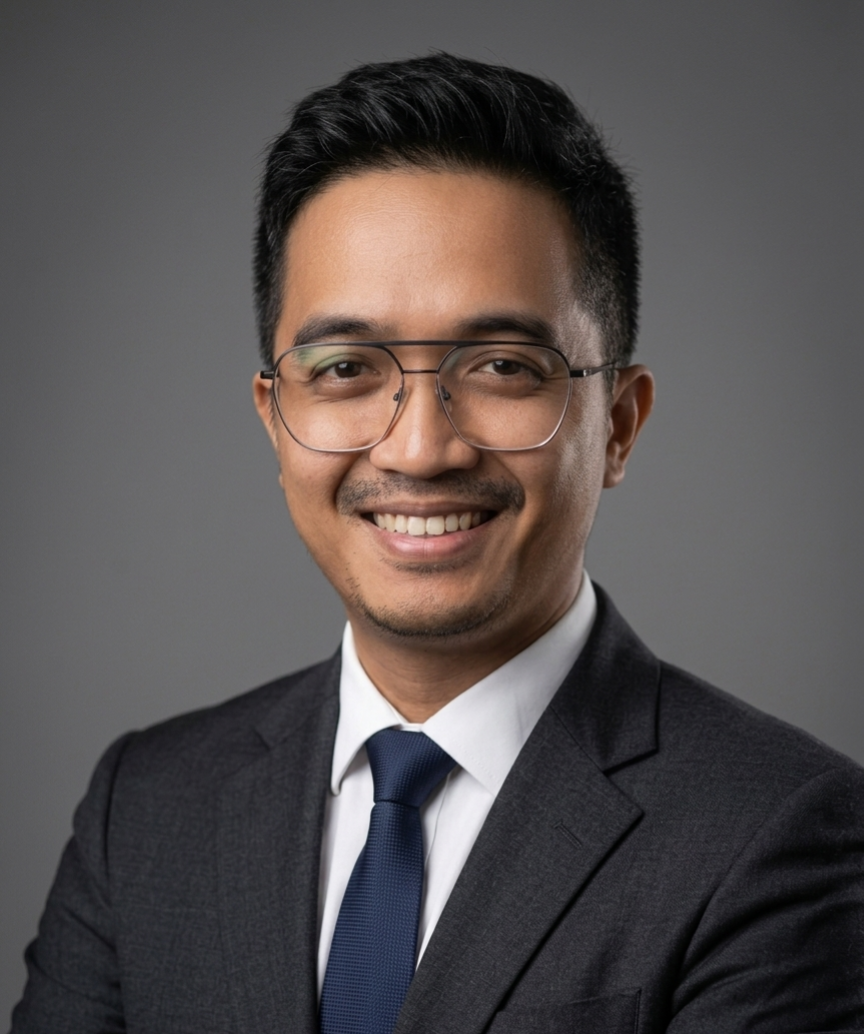
James Michael Chiong is a digital marketing strategist and consultant who helps small and medium businesses in the Philippines grow through SEO, Meta Ads, Google Ads, and data-driven marketing strategy. With 10+ years of experience across agencies, in-house, and consulting roles, James has led digital campaigns for brands in real estate, publishing, education, BPO, retail, and professional services.
He previously served as Digital Director and Director for Digital Strategies at TeamAsia — an award-winning Integrated Marketing Experience agency — where he spearheaded the formation of TeamAsia DigiCreatives, a merged Digital, Creatives, and Technology unit delivering AI-assisted SEO, voice-enabled search, and end-to-end e-commerce marketing solutions.
James has been featured as a social media marketing expert on ABS-CBN News (My Puhunan: Kaya Mo!, March 2025), where he shared practical digital strategies for Filipino MSMEs. He has also been quoted in adobo Magazine in relation to digital transformation in the marketing industry, and has appeared as a guest on TeamAsia’s B2B: Breakfast to Business podcast on Spotify — covering AI in marketing and digital strategy during the pandemic era.
He co-authored multiple thought leadership pieces published on TeamAsia’s platform, including articles on social media authenticity, integrated digital marketing, and the intersection of creativity and technology. He was also recognized as part of TeamAsia’s new management leadership on the agency’s 32nd anniversary in 2024.
James holds certifications in Google Analytics and HubSpot Inbound Marketing, and has served as a Marketing Professor at Lyceum of the Philippines – Cavite. He is based in Bacoor, Cavite, Philippines, and writes about SEO, AI in marketing, and digital strategy on JC Digital.
As Seen In: ABS-CBN News | adobo Magazine | TeamAsia B2B Podcast on AI (Spotify)

One Comment