What Is AI Search Optimization? A Small Business Guide
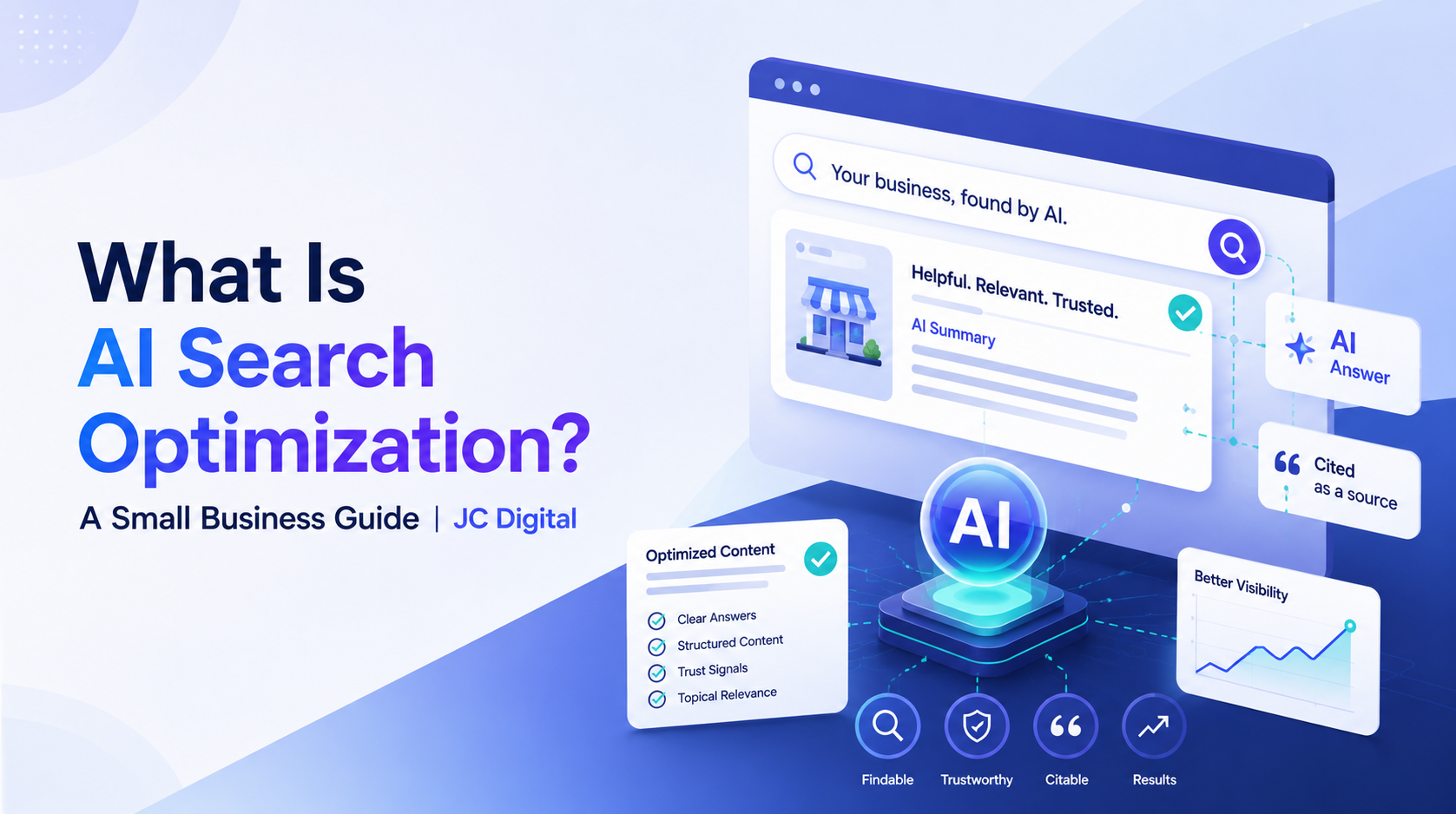
AI search optimization helps your content appear in AI-powered answers from tools like ChatGPT, Perplexity, and Google’s AI experiences. For small businesses, that means writing in a way that is clear, useful, and easy for machines to understand, trust, and cite.
Why AI Search Optimization Matters
Search behavior is changing fast. People now ask AI tools direct questions about services, products, and providers before they ever click through a traditional search results page. In practice, that means your content is no longer competing only for rankings; it is competing to become the answer.
From my own work in SEO, AEO, and content strategy, the pattern is consistent: pages that answer a question cleanly tend to perform better than pages that bury the point. That is why answer-first structure has become essential for SMEs that want stronger visibility across both search and AI discovery layers.
For Filipino SMEs, this shift is especially important. Businesses that adapt early can improve visibility in answer engines while building stronger trust with potential customers. In practical terms, AI search optimization is about making your website easier to recommend.
How AI Search Optimization Works
AI search tools do not simply match keywords. They evaluate whether content is specific, structured, and credible enough to summarize. That is also why I use structured workflows when building content systems, whether for marketing projects or AI-assisted deep research on marketing operations and brand positioning on companies I wish to work with. The underlying principle is the same: organize the inputs well, and the output becomes more usable.
A strong page usually opens with the direct answer, followed by explanation, supporting context, and practical next steps. This makes the content easier for readers to scan and easier for AI systems to interpret.
Across SEO and PPC work, the same principle shows up again and again. When a brand message matches search intent, the content becomes easier to understand and more likely to perform. The best pages are not just optimized for visibility; they are built to help a customer decide.
How To Start with AI Search Optimization
Start your AI search optimization work by reviewing your core pages and blog posts. Each page should answer one specific question, and that answer should appear early. If a section feels vague, expand it with examples, proof points, and practical business context. That is where real experience matters most.
When I work on content strategy, I look for the gap between generic advice and actual business usefulness. For example, saying “FAQs” is not enough. The better approach is to identify the exact questions your audience asks, answer them directly, and make sure the page structure supports both readers and search engines.
Best Practice For SMEs
For Filipino SMEs, the highest-value work is usually not producing more content. It is improving the content you already have so it reflects real expertise, local relevance, and business credibility. That means stronger headings, clearer explanations, better internal links, and schema markup where appropriate.
In my experience working with different brands, the most effective digital marketing pages are the ones that connect search intent to a practical outcome. Whether the channel is SEO or PPC, the business goal stays the same: get found, build trust, and turn attention into action.
Conclusion
AI search optimization is the next stage of SEO. It rewards businesses that communicate clearly, answer questions directly, and show real expertise through structure and substance. If your content is built for understanding, it has a better chance of being cited in AI-driven search experiences.
From SEO and paid media work with Philippine SMEs, the lesson is consistent: visibility improves when the message is clear, the structure is useful, and the page matches what people actually want to know.
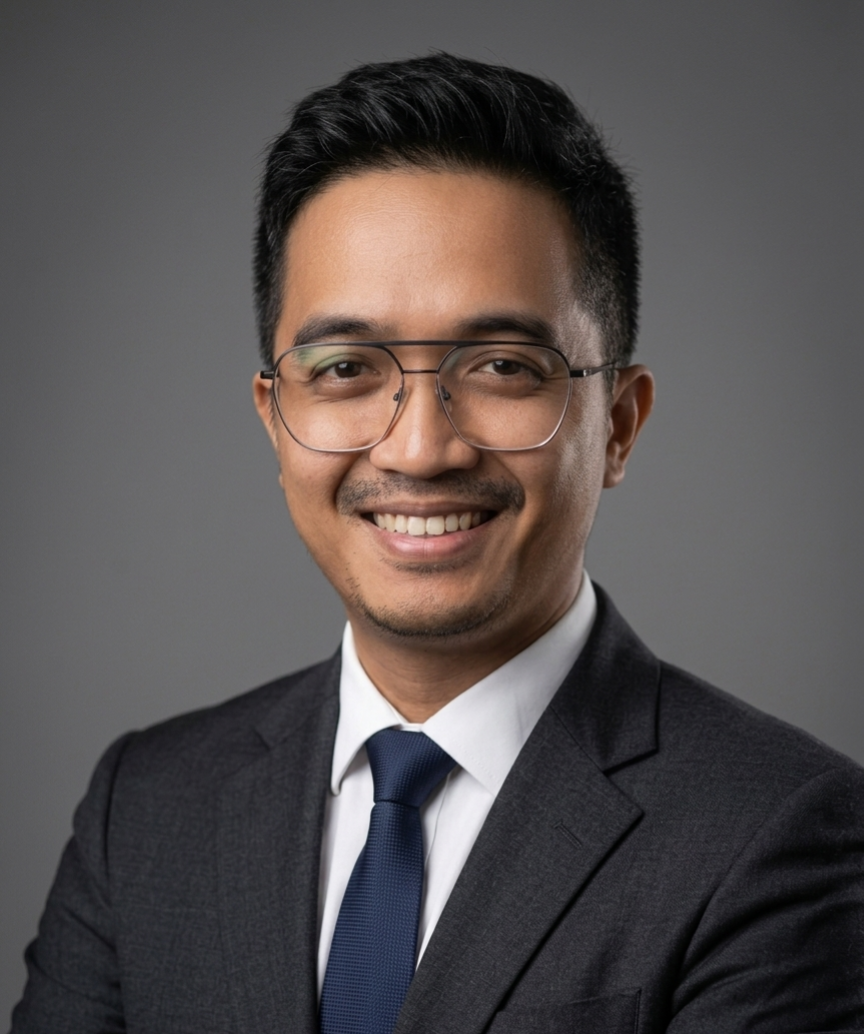
James Michael Chiong is a digital marketing strategist and consultant who helps small and medium businesses in the Philippines grow through SEO, Meta Ads, Google Ads, and data-driven marketing strategy. With 10+ years of experience across agencies, in-house, and consulting roles, James has led digital campaigns for brands in real estate, publishing, education, BPO, retail, and professional services.
He previously served as Digital Director and Director for Digital Strategies at TeamAsia — an award-winning Integrated Marketing Experience agency — where he spearheaded the formation of TeamAsia DigiCreatives, a merged Digital, Creatives, and Technology unit delivering AI-assisted SEO, voice-enabled search, and end-to-end e-commerce marketing solutions.
James has been featured as a social media marketing expert on ABS-CBN News (My Puhunan: Kaya Mo!, March 2025), where he shared practical digital strategies for Filipino MSMEs. He has also been quoted in adobo Magazine in relation to digital transformation in the marketing industry, and has appeared as a guest on TeamAsia’s B2B: Breakfast to Business podcast on Spotify — covering AI in marketing and digital strategy during the pandemic era.
He co-authored multiple thought leadership pieces published on TeamAsia’s platform, including articles on social media authenticity, integrated digital marketing, and the intersection of creativity and technology. He was also recognized as part of TeamAsia’s new management leadership on the agency’s 32nd anniversary in 2024.
James holds certifications in Google Analytics and HubSpot Inbound Marketing, and has served as a Marketing Professor at Lyceum of the Philippines – Cavite. He is based in Bacoor, Cavite, Philippines, and writes about SEO, AI in marketing, and digital strategy on JC Digital.
As Seen In: ABS-CBN News | adobo Magazine | TeamAsia B2B Podcast on AI (Spotify)